Indigenous People in sport
- Jess Moskowitz
- Oct 9, 2023
- 2 min read

Today, on Indigenous Peoples' Day, I want to reflect on a conversation I recently had with my coworkers at RISE about the legacy of Native American representation in sport. There has been a long and complicated history of using the Native American references and caricatures as names for team mascots and logos. While several teams have taken steps to address this practice in recent years, the tradition has still remained amongst many fanbases. Some teams and fans still engage in “the chop” and dress in traditional Native American gear at sporting events and other occasions, demonstrating a lack of respect and understanding for what these symbols mean and the value they carry to Indigenous people.
To increase the understanding of Native impact on sport, education is key. One aspect of that education is the sport of lacrosse, which has grown in popularity across much of the United States and Canada. This sport can be traced back to the Indigenous peoples’ of North America, who played variations of the game as early as the 12th century. While the sport was known by many names, it is known by most in the Indigenous community as the “Creator’s Game,” since it holds significant cultural and spiritual importance for native peoples’. The colonization of the continent in the 17th century led to lacrosse being adopted by settlers and evolving into the version of the game played today. It has become a rapidly growing sport in North America, with teams formed at young ages in schools to the development of multiple professional and semi-professional professional leagues.
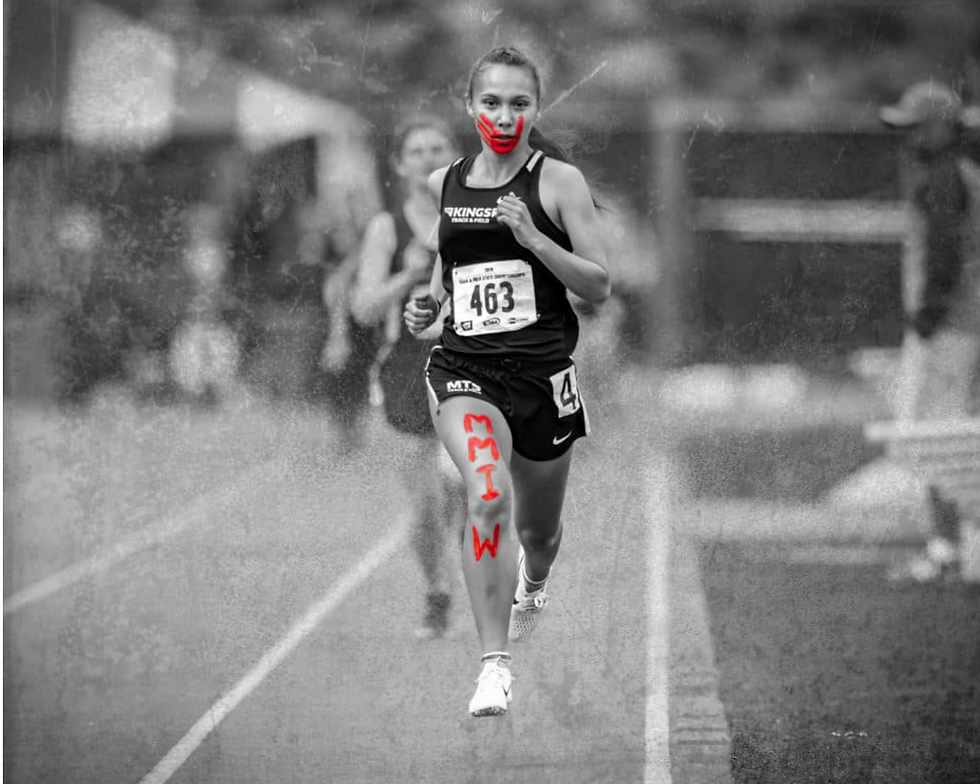
Moreover, many Indigenous athletes have achieved great success in sports. On a global stage, Jim Thorpe, a member of the Sac and Fox Nation, was the first Native American to win an Olympic gold medal for the United States. He was a star athlete in multiple sports, including track and field and professional football, baseball, and basketball. Thorpe was ranked as the “greatest athlete” of the first 50 years of the 20th century by the Associated Press. Additionally, Rosalie Fish, a runner and a member of the Cowlitz Tribe, paints a red hand across her face during competition to raise awareness of the hundreds of missing and murdered Indigenous women (MMIW) globally. These athletes embody the power of athlete activism and illustrate that sport and its platform can be a vehicle for change.


Comments